
 EN
 AR
 NL
 FI
 FR
 DE
 IT
 JA
 KO
 NO
 PL
 PT
 RO
 RU
 ES
 SV
 ID
 VI
 ET
 HU
 MS
 TH
 LA

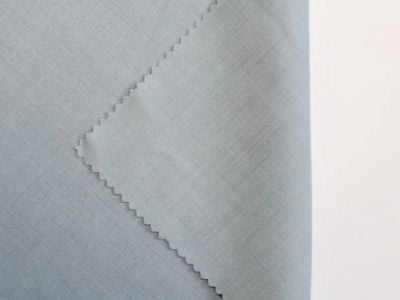
Understanding the differences between a suit supplier and a trading company can significantly impact your sourcing strategy. This article delves into the distinctions, ensuring you can identify a true manufacturer like Wujiang Xinyang Textile, which specializes in women's clothing fabrics. As a buyer, you likely prioritize quality, reliability, and customization. Here, you will find actionable insights to help you make informed decisions when selecting a suit supplier.
Key Differences from Trading Companies
One of the primary distinctions between suiting fabric suppliers and trading companies lies in the level of control and involvement in the manufacturing process. True manufacturers, such as Wujiang Xinyang Textile, engage directly in research and development, production, and quality control. This integrated approach allows for better oversight of material selection, manufacturing processes, and compliance with industry standards.
Conversely, trading companies often act as intermediaries, purchasing products from various manufacturers and selling them under their label. While they can provide a wide variety of options, this model may lack the in-depth technical knowledge and quality assurance a direct supplier can offer. As a buyer, working with a manufacturer enables deeper insight into the production capabilities and potential customization options for your specific needs.
Technical Specifications Every Buyer Should Know About Suits
Understanding the technical specifications of suits is crucial for making informed purchasing decisions. Key specifications include:
Fabric Composition: Fabrics can vary widely in terms of material composition, such as wool, polyester, or blends. Each material affects the comfort, durability, and drape of the suit.
Weight: The weight of the fabric can influence the suit's suitability for different climates. Lighter fabrics are ideal for warm weather, while heavier fabrics provide warmth and structure.
Construction: The construction methods, such as canvas, half-canvas, or full-canvas, significantly affect the suit's fit and longevity. A fully canvassed suit typically offers superior quality and shape retention.
Sizing and Fit: Understanding the sizing charts and fit options (e. g., slim, regular, relaxed) helps ensure that the suits meet your requirements.
Buyers should confirm these specifications based on their target market and application, as they directly influence the end product's quality and performance.
How to Evaluate Fabric Quality When Sourcing Suits
Evaluating fabric quality is a vital aspect of sourcing suits. Here are some practical steps to assess fabric quality effectively:
Feel and Texture: Touch the fabric to determine its softness and comfort. Quality fabrics should feel pleasant against the skin without being scratchy or stiff.
Weave Pattern: Inspect the weave pattern, as it can indicate durability. A tighter weave generally means a sturdier fabric, while a looser weave may be more prone to wear and tear.
Colorfastness: Test the fabric for colorfastness by rubbing it with a damp cloth. High-quality fabrics should not bleed or fade easily.
Weight and Thickness: Evaluate the fabric's weight and thickness to ensure it aligns with your intended use. Heavier fabrics may be more suitable for formal settings, while lighter fabrics work better for casual or summer wear.
By focusing on these aspects, buyers can ensure that they select superior fabrics that meet their project requirements.
Best Practices for Choosing a Suit Supplier for Your Projects
Selecting the right suit supplier is essential for ensuring a successful partnership. Here are some best practices to consider:
Reputation and Experience: Research the supplier’s reputation in the industry. Look for manufacturers with a proven track record in producing high-quality suits.
Customization Capabilities: Inquire about the supplier's ability to customize designs and specifications. A manufacturer that can accommodate unique requirements will better pure suit fabric your needs.
Lead Time and Production Capacity: Confirm the supplier's lead times and production capacity to ensure they can meet your volume requirements within your timeline.
Quality Control Processes: Understand the quality control measures in place. A reliable supplier should have robust systems to ensure consistency and adherence to specifications.
Sample Approval: Before committing to a bulk order, request samples to inspect the quality firsthand. Ensure that samples align with your expectations regarding materials, fit, and finish.
Following these best practices can help mitigate risks and ensure a fruitful supplier relationship.
Common Problems with Trading Companies and How to Avoid Them
Working with trading companies can present several challenges that buyers should be aware of. Common issues include:
Lack of Technical Knowledge: Trading companies may lack in-depth knowledge of fabric properties and production processes. This can lead to misunderstandings about product specifications and quality.
Quality Inconsistency: Since trading companies source from multiple manufacturers, quality can vary significantly between batches, leading to potential dissatisfaction.
Limited Customization: Trading companies often offer standardized products, making it difficult to obtain unique designs or specifications tailored to specific needs.
To avoid these pitfalls, consider the following strategies:
Research Suppliers Thoroughly: Look for manufacturers with a strong reputation for quality and reliability rather than relying on trading companies.
Request Detailed Specifications: Ensure clear communication regarding your requirements and verify that the supplier can meet them.
Establish Direct Contact: Whenever possible, communicate directly with the manufacturer to gain insights into their processes and capabilities.
By being proactive and informed, buyers can navigate the complexities of sourcing suit clothing fabric and ensure they partner with reputable suppliers for their production needs.